
Get Crepe Myrtle Pruning in Columbia, MO
Crepe Myrtle Pruning services offered by local contractors in Columbia, MO, help improve tree health, shape trees, remove dead or overgrown branches, and prevent potential property damage.
Crepe myrtle pruning is an important aspect of maintaining the health and aesthetic appeal of these popular landscape trees in Columbia, MO. Proper pruning helps promote vigorous growth, encourages vibrant flowering, and can prevent potential issues such as disease or structural problems. Property owners considering this work often want to ensure their trees remain attractive and safe, making it worthwhile to explore professional services available in the area. By comparing local contractors, residents can find experienced providers who understand the specific needs of crepe myrtles and can deliver quality results.
For those planning landscape projects or seeking to enhance their outdoor spaces, connecting with experienced service providers can make a meaningful difference. Whether aiming to improve the appearance of a property or to maintain the health of mature trees, exploring the options available in Columbia, MO, can help property owners make informed decisions. Keep reading to learn more about how local contractors can support crepe myrtle pruning needs and help achieve the desired landscape results.
- Crepe Myrtle Pruning - needed when overgrown branches obstruct walkways or views in neighborhoods around Columbia, MO.
- Crepe Myrtle Pruning - recommended for maintaining plant health and shape after the flowering season in residential areas.
- Crepe Myrtle Pruning - essential when dead or damaged limbs pose a risk to nearby structures or passersby in local communities.
- Crepe Myrtle Pruning - advised to promote vigorous growth and abundant blooms during the spring and summer months.
- Crepe Myrtle Pruning - necessary for addressing pest or disease issues that affect the tree’s overall appearance in suburban yards.
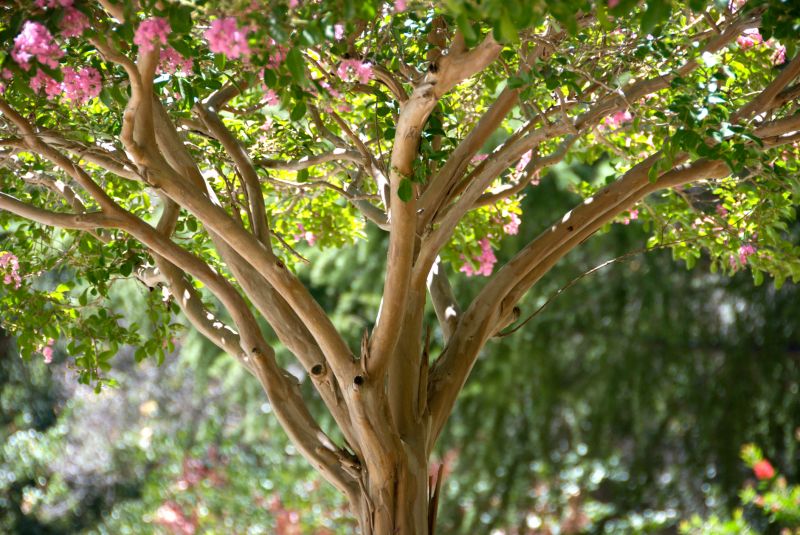
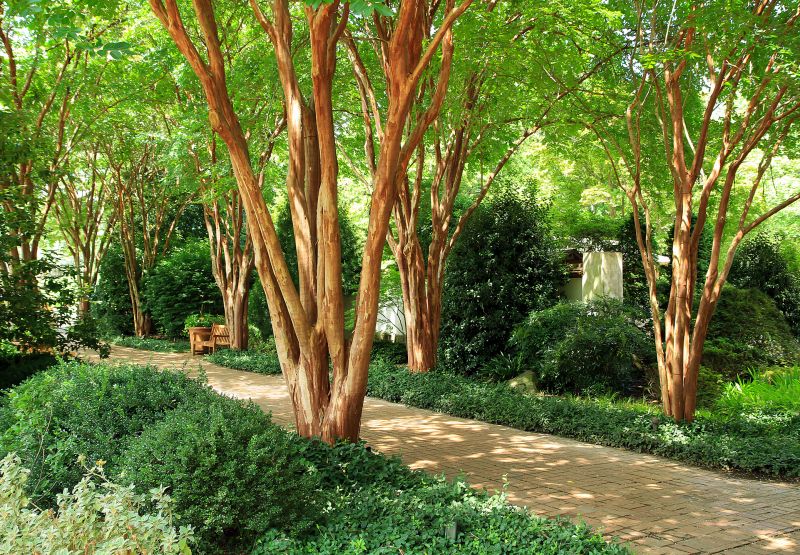
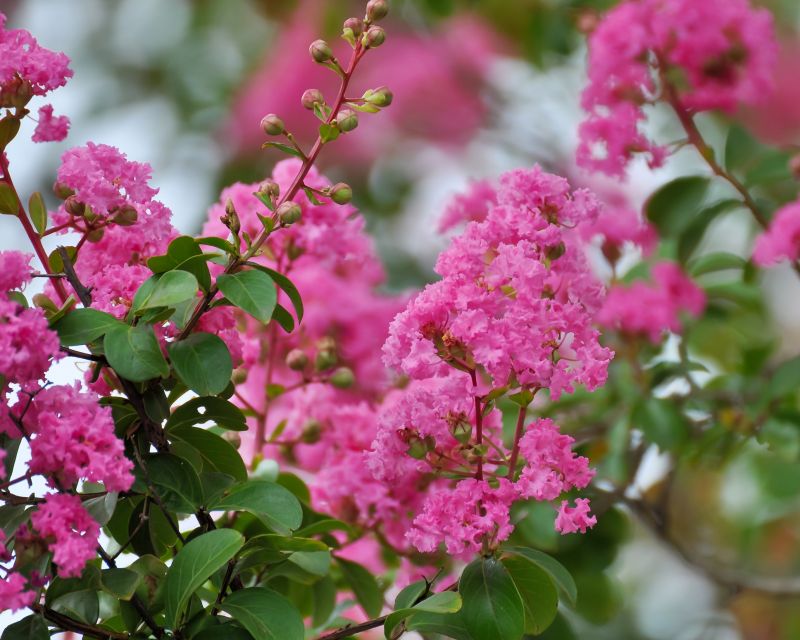
Crepe Myrtle pruning services involve carefully trimming and shaping these flowering trees to promote healthy growth and vibrant blooms. Proper pruning typically includes removing dead or damaged branches, thinning out overcrowded areas, and shaping the canopy to improve air circulation and light penetration. This maintenance helps ensure the tree remains attractive and healthy throughout its blooming season, preventing the development of weak or problematic branches that could cause issues later on. Skilled service providers understand the best techniques to encourage strong growth while maintaining the natural form of the tree.
Pruning can also address common problems such as limb breakage, disease, or pest infestations. Overgrown or poorly maintained Crepe Myrtles may develop weak branches that are prone to breaking, especially during storms or heavy winds. Removing diseased or infested wood helps prevent the spread of issues that could weaken the tree or affect nearby plants. Additionally, pruning can prevent the tree from becoming too dense, which can lead to poor air flow and increased risk of fungal diseases. Regular maintenance by experienced contractors can help keep Crepe Myrtles healthy, attractive, and less vulnerable to common problems.
This service is often used on residential properties, including yards, gardens, and landscaped areas, where homeowners want to maintain the aesthetic appeal of their outdoor spaces. Commercial properties, such as office parks, shopping centers, and community parks, also frequently utilize Crepe Myrtle pruning to uphold a neat and inviting appearance. In neighborhoods where curb appeal is important, well-maintained trees can significantly enhance the overall look of the property. Service providers typically work with property owners to develop a pruning schedule that fits the specific needs of the landscape and the growth cycle of the trees.
Homeowners and property managers should consider Crepe Myrtle pruning when their trees become overgrown, show signs of disease, or develop weak branches that could pose safety hazards. If the tree has lost its shape or if flowering has diminished, pruning can rejuvenate its appearance and promote better flowering in the future. Additionally, if the tree’s branches are interfering with power lines, structures, or pathways, professional pruning can resolve these issues safely and effectively. Connecting with local contractors ensures that the work is done correctly, helping property owners maintain healthy, attractive Crepe Myrtles that complement their outdoor spaces.
The overview below groups typical Crepe Myrtle Pruning projects into broad ranges so you can see how smaller, mid-sized, and larger jobs often compare in Columbia, MO.
In many markets, a large share of routine jobs stays in the lower and middle ranges, while only a smaller percentage of projects moves into the highest bands when the work is more complex or site conditions are harder than average.
Smaller Repairs - Basic pruning or trimming of crepe myrtles typically costs between $150 and $300 for many routine jobs. Many local contractors handle these smaller projects regularly within this range. Fewer projects fall into the highest tiers for minor maintenance work.
Mid-Size Pruning - More extensive shaping or removal of deadwood usually ranges from $300 to $600. These projects are common for homeowners seeking seasonal maintenance or light aesthetic updates. Larger, more complex jobs can occasionally reach higher prices.
Large or Formal Pruning - Significant pruning or structural shaping can cost between $600 and $1,200, especially for mature trees requiring specialized equipment or techniques. Many local pros handle these jobs regularly within this range, with fewer projects exceeding it.
Full Tree Removal or Replacement - Complete removal or replacement of crepe myrtles can start at $1,500 and go beyond $5,000 for large, mature trees or complex site conditions. Such projects are less common but are handled by experienced contractors when needed.
Actual totals will depend on details like access to the work area, the scope of the project, and the materials selected, so use these as general starting points rather than exact figures.
Tree Trimming and Shaping - professionals who specialize in shaping and maintaining ornamental trees like crepe myrtles often use similar pruning techniques and tools.
Shrub and Hedge Pruning - trimming shrubs and hedges requires precise cutting skills and planning, comparable to crepe myrtle pruning projects.
Ornamental Tree Care - services focused on enhancing the appearance and health of decorative trees involve similar planning and pruning methods.
Landscape Maintenance - maintaining landscaped areas often includes pruning and trimming tasks that require similar tools and attention to detail.
Fruit Tree Pruning - pruning fruit trees involves similar techniques and tool use, emphasizing proper cuts and tree health management.
Garden Bed Cleanup - clearing and tidying garden beds often involves pruning and trimming that align with the skills used in crepe myrtle care.

When selecting a service provider for Crepe Myrtle pruning, it’s important to consider their experience with similar projects. Homeowners should inquire about how long a contractor has been working with Crepe Myrtles or similar ornamental trees, and whether they have handled pruning tasks in environments comparable to Columbia, MO. An experienced professional will understand the specific needs of these trees, including proper timing and techniques to promote healthy growth and maintain aesthetic appeal. This background can help ensure the work is performed correctly and that the contractor is familiar with the unique conditions of the local climate and landscape.
Clear and detailed written expectations are key to a successful project. Homeowners should seek out service providers who can clearly outline what the pruning process will involve, including the scope of work, the methods used, and any recommendations for ongoing maintenance. Having this information in writing helps prevent misunderstandings and ensures that both parties are aligned on the goals for the Crepe Myrtles. Well-documented expectations also serve as a reference point throughout the project, making it easier to address any questions or concerns that may arise during the work.
Reputable references and strong communication are vital indicators of a trustworthy local contractor. Homeowners should ask potential service providers for references from previous clients who had similar work done, and follow up to learn about their experiences. Good communication throughout the process-such as responsiveness to questions and clarity in explanations-can make the entire experience smoother and more predictable. It’s important to remember that this site functions as a resource to introduce homeowners to qualified local options, rather than performing the work itself, so gathering firsthand feedback from past clients can be especially helpful in making an informed decision.
Property owners in Columbia, MO use Crepe Myrtle Pruning services for practical projects around their homes and businesses. This guide focuses on everyday jobs and straightforward project options.
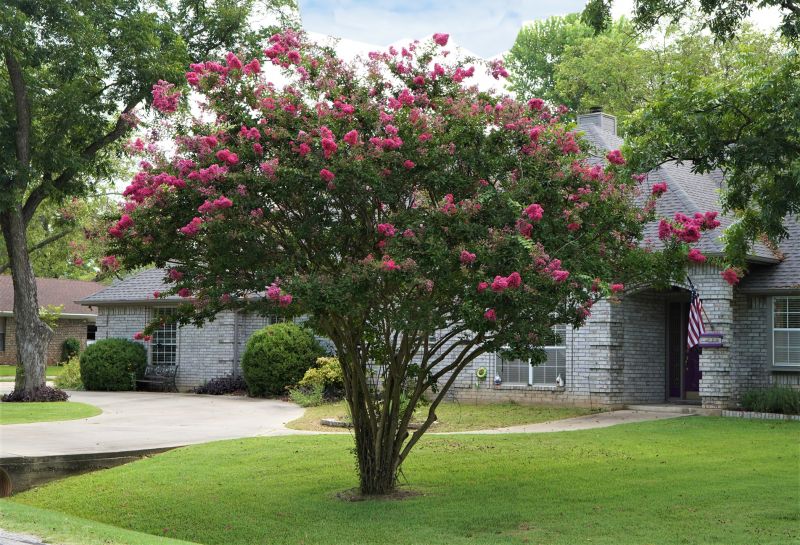
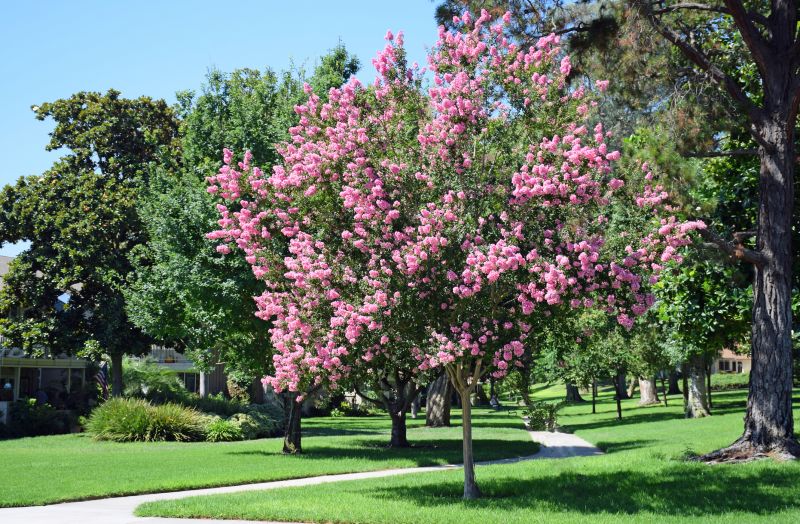
Crepe myrtle pruning is a common service sought by property owners in Columbia, MO who want to maintain the health and appearance of their trees. Overgrown or unruly branches can hinder sunlight penetration, affect the tree’s overall shape, or cause safety concerns if limbs become too heavy or damaged. Local contractors can help keep crepe myrtles looking their best by removing dead or crossing branches, encouraging new growth, and shaping the tree to complement the landscape.
Homeowners may also look for crepe myrtle pruning services after storms or harsh weather, which can cause branches to break or become misshapen. Regular pruning can prevent potential hazards and promote a more vibrant, healthy bloom cycle. Whether preparing for seasonal changes or simply maintaining curb appeal, property owners in Columbia, MO can find experienced service providers ready to handle these everyday tree care needs.
Why is pruning important for Crepe Myrtles? Pruning helps maintain the health, shape, and overall appearance of Crepe Myrtles, promoting better flowering and preventing disease.
When is the best time to prune a Crepe Myrtle? The ideal time to prune is during late winter or early spring before new growth begins, according to local horticultural practices.
What pruning techniques do professionals typically use? Professionals often use thinning and shaping methods to remove dead or overgrown branches, encouraging healthy growth and flowering.
Can improper pruning harm my Crepe Myrtle? Yes, incorrect pruning can lead to weak growth, poor flowering, or damage to the tree's structure, which is why professional pruning is recommended.
How can I find local contractors for Crepe Myrtle pruning? You can contact service providers in your area who specialize in tree and shrub care to handle Crepe Myrtle pruning services.
Improve Tree Health - Regular pruning helps crepe myrtles stay healthy by removing dead or diseased branches, promoting better growth.
Enhance Property Appearance - Proper trimming maintains a neat and attractive landscape, making outdoor spaces more inviting.
Control Size and Shape - Pruning allows property owners to manage the size and form of crepe myrtles for safety and aesthetic purposes.
Encourage Blooming - Properly shaped crepe myrtles can produce more vibrant flowers and improve overall flowering performance.
If you are thinking about Crepe Myrtle Pruning for a property in Columbia, MO, this guide is meant to help you understand the work, the typical project types, and how different options might fit your plans.
When you are ready, you can use the quote form on this page to share a few details about your project. From there, local pros can review the basics and respond with options that match what you have in mind.